february 2026,
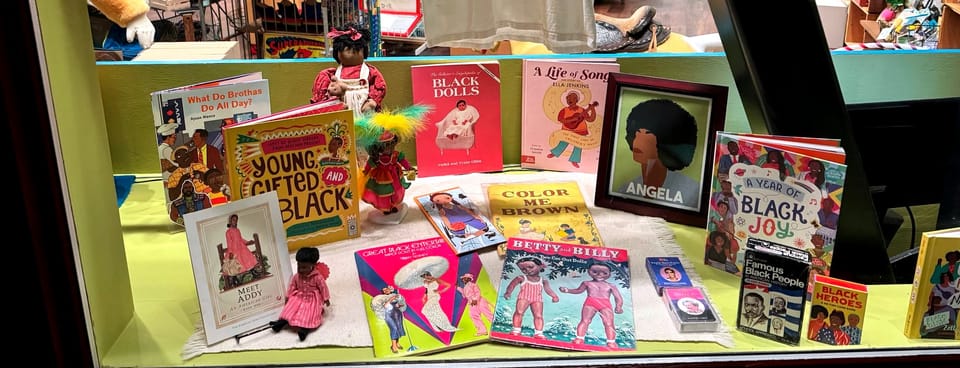
I hang out on threads a bit because, in the tiniest of ways, the obvious ones, it reminds me of twitter back in the day. Though back in the day, people were slightly less, less earnest, and even a little funnier online. The horrors have persisted. Everyone and everything is a nightmare.
I bring up threads because it's introduced me to a few controversies and conversations in the book world. Though I am a Big Reader, I'm not really a part of any book communities. I am not a tiktok person, so I am very much not involved in whatever people are saying on "booktok." I have a book instagram account, but I am terrible at managing social media so I will post one to three things and then not look at it again for days and not respond to DMs or comments, which is certainly not how you get or even maintain engagement, but I don't care because I am not in the book community.
I'm a reader of one.
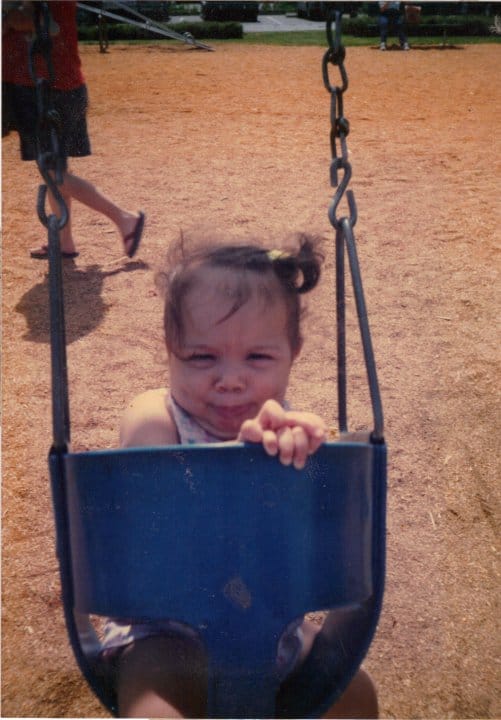
One of the convos I picked up on and refused to dive into was about Black History Month. It seems that a lot of (white) book influencers (???) were posting lists of Black-written books, encouraging people to read them for BHM, but they themselves hadn't read their own recommendations. People figure this out by going to the influencer(????)'s goodreads accounts, looking for their review of the book, and then calling them out online for never even having touched a Toni Morrison book in real life.
As I said, I didn't dive into it because a) I assumed I understood the conflict, b) I don't really care that much, and c) I don't peruse book recommendations because my TBR will outlive me as is.
I also don't need recommendations of Black-written books because I read Black all year long. All life long, really. I remember when I reconnected with my dad's sister in late teens/early adulthood: every book rec she had for me, I'd already read.
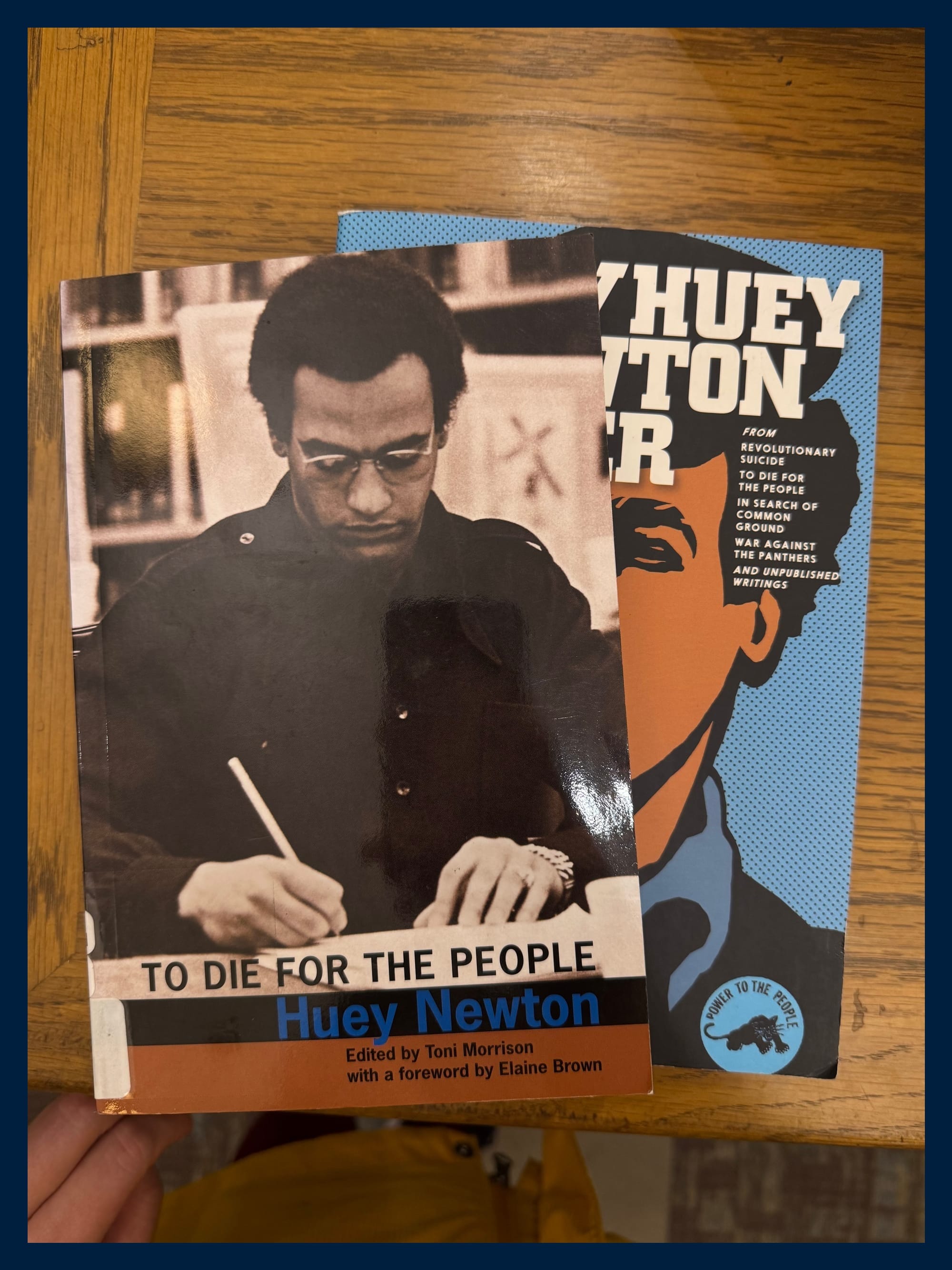
Reading is a beautiful way to begin to understand other cultures, races, and people. You don't have to read a nonfiction book about the History of Black People to appreciate, acknowledge, and learn Black history. You can read a Jasmine Guillory book about a Black woman who agrees to go to a wedding with a guy she gets stuck with in an elevator, or a Keah Brown book about being Black and disabled in an able-bodied white society. You can read about overconsumption and buying less for a greater society while reading Black because Aja Barber wrote a banger that I write about later. You don't have to feel weird white guilt and find someone who doesn't know what they're talking about who will tell you to read Why the Caged Bird Sings. You can just diversify your TBR by...reading books written by Black people. I promise we're writing about shit you care about. And well!
And you should also definitely read Toni Morrison.
Here's what I read in February.
[books i read]
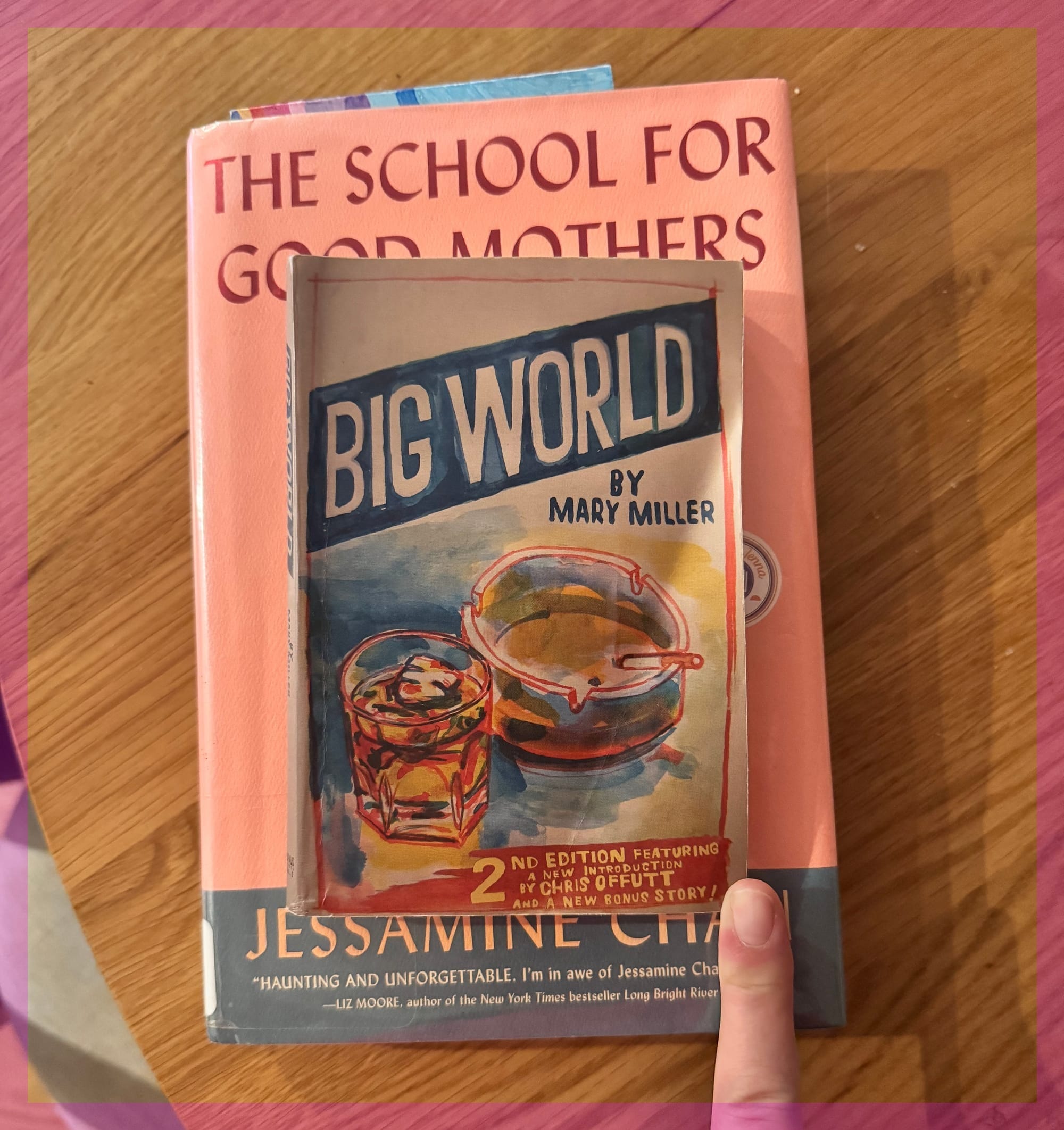
Big World by Mary Miller (2009) | Quick summary: A short story collection about women in a big world, to put it very abruptly.
Because these are short stories, I don't have much to say about the characters or narrative, but I do have something to say about what a phenomenal writer Mary Miller is. She's the kind of writer who makes other writers (me) jealous that she can craft such a beautiful sentence. The other thing I have to say is the version of this book I read is a tiny little paperback that could fit in my pocket, which made me feel like Jess Mariano.
[fiction, short stories, written by a white american fiction writer, shorter read]
In Their Voices: Black Americans on Transracial Adoption by Rhonda Roorda (2015) | Quick summary: A deep dive into the effects of transracial adoption, including social attitudes, federal policies, and personal stories.
Excellent read with great insight into transracial adoption, which, if you're unfamiliar, is the term for when a family adopts a child that doesn't share their racial background. These are personal stories paired with conversations about policy, and as someone who has read a lot about and worked beside transracial adoption, this book is a good resource.
[nonfiction, sociology, social work, adoption read, written by a Black transracial adoptee, career professional, and writer, longer read]
Limitless: Stories from the Neighborhood that Shaped Seattle by Shelf Life and edited by Jill Freidberg (2025) | Quick summary: Stories about art, history, politics, and the modern-day Central District in Seattle, Washington.
This is more of a coffee-table book than anything else, but what a beautiful and delightful read this is. I live in Columbia City, which I love, and it is rich with culture and history, and I am proud to be here, but I'll always have a jealous crush on the Central District and the people who grew up there.
[nonfiction, Black history, seattle history, written by a seattle-based collective of oral historians, photographers, artists, librarians, and filmmakers, medium-length read]
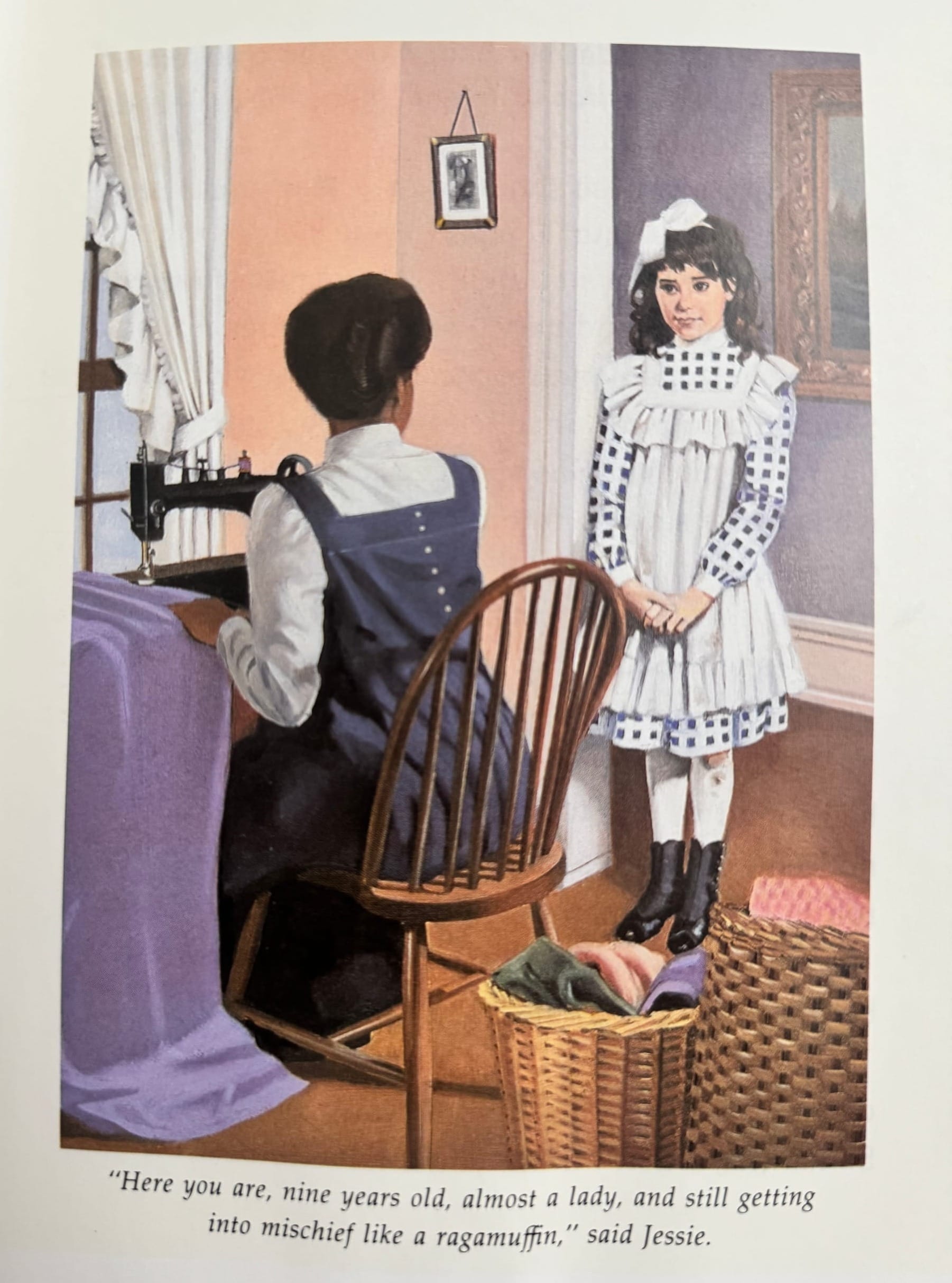
Meet Samantha: An American Girl by Susan S. Adler (1986) | Quick summary: Samantha Parkington is nine-years-old, an orphan, and living with her grandmother when we meet her in 1904, kicking off her series as one of the original American Girls.
Nostalgia calls to us in times of distress, or I should speak for myself and say it calls to me. I can't honestly say I read the Samantha books (I'm an Addy girl), but I may have mentioned at some point that I've gotten into collecting the books (specifically the first-run books) and idk. Maybe selling them online, maybe gifting them to friends' kids. I want my best friend Maisie to potentially read them/have them read to her so I decided to pick up a Samantha book because Maisie recently received Samantha's great-great-granddaughter so maybe one day she'll want to read these! I was delighted at how fun, historical, informational, and, well, nostalgic reading this book over the course of a single hour felt. I can't wait to read more.
[fiction, children's literature, written by a white american author of children's books and young adult books, short read]
[books i heard]
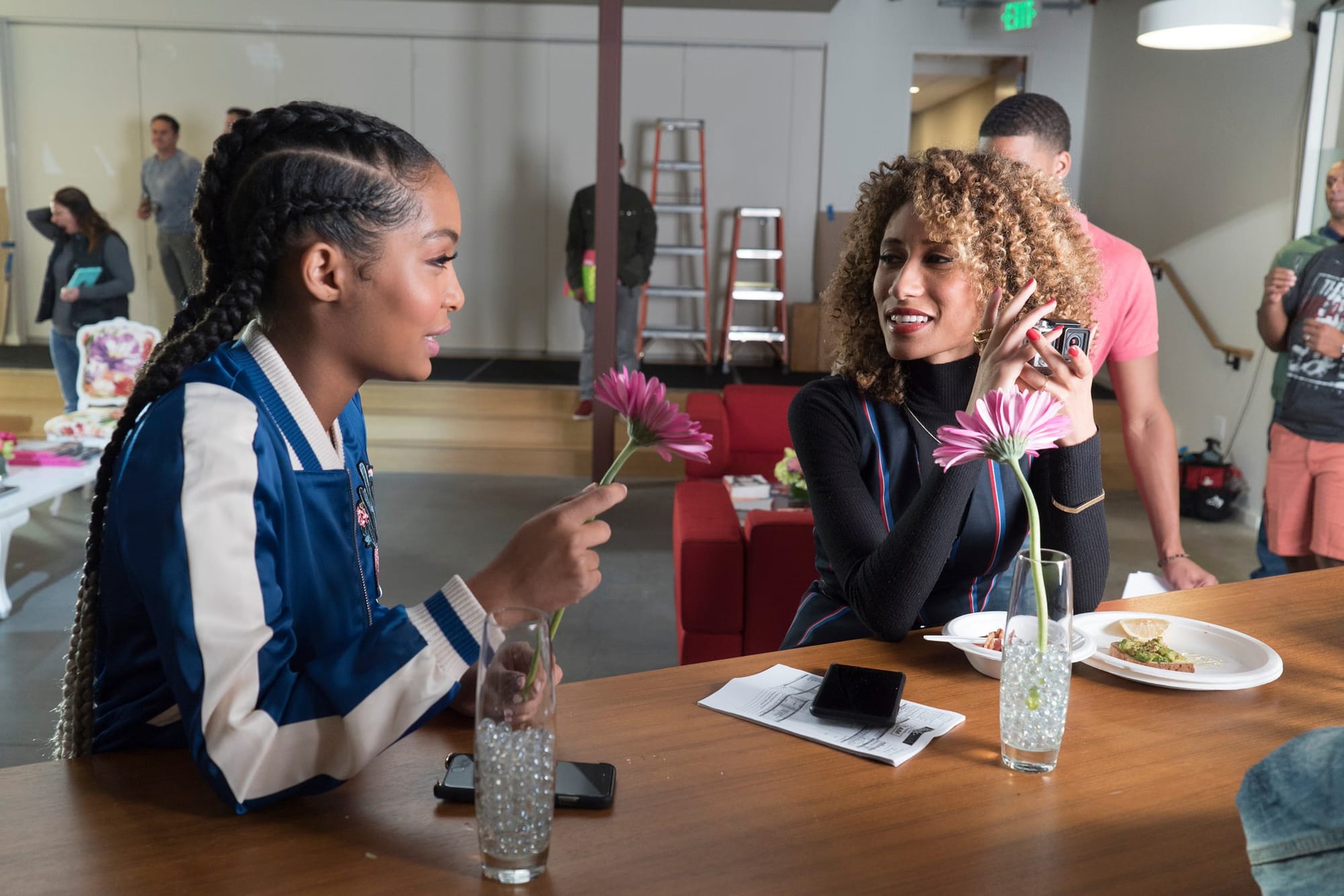
More Than Enough: Claiming Space for Who You Are by Elaine Welteroth (2019) | Quick summary: The story of journalist Elaine Welteroth's life.
If you've been paying close attention, you know I went down a weird little fashion-memoir/biography rabbit hole recently, which led me to pick up Welteroth's book. I'm familiar enough with her, not because of her journalism as much as her activism, but for those who don't know, Welteroth was named editor-in-chief of Teen Vogue in 2016; notable because of her age and race. I was curious to hear about her experience working for the magazine, especially with Anna Wintour, since it's not a super big secret that things weren't... great. I really enjoyed this memoir. It's quite long for someone so young, but Welteroth has lived a lot of life. And it may go without saying, but I really, really appreciated hearing Welteroth describe her upbringing as a Black-biracial woman, though we have the opposite parental situation (her mom is Black, her dad is white), and those who know know that can make all the difference. [nonfiction, memoir, written by a Black-biracial american, journalist, editor, and author, read (mostly) by the author, longish listen]
Consumed: The Need for Collective Change: Colonialism, Climate Change, and Consumerism by Aja Barber (2021) | Quick summary: A call to action about what we buy, why we buy it, and how we should stop buying it.
I follow Aja Barber online and finally decided to check out her book, which I enjoyed. It's a good entryway into understanding overconsumption and, naturally, because it was written by a Black woman, it introduced me to new ways of thinking about my buying power. I'm not trying to sound holier than thou because I have been and can still be a major overconsumer but it has been nice in the past two or three years (I'm late to the game!) for me to question why I am buying something, what I am going to do with said thing I am potentially buying, and certainly to question who gets my money and if they deserve it. This is great, and Barber has taught me a lot, both through this book and online.
[nonfiction, environmental economics, written by a Black american, writer, sustainability consultant, and activist, read by the author, medium-length listen]
How We Get Free: Black Feminism and the Combahee River Collective by Keeanga-Yamahtta Taylor (2012) | Quick summary: Essays and interviews from members of the Combahee River Collective.
I made a rare mistake of sticking through this as an audiobook even though it shouldn't even currently exist as one. I need to re-read this in a physical form because interviews don't work well when read by a single narrator. I really hope this gets redone because audiobook listeners deserve a better edition!
[nonfiction, Black history, essays and interviews, collected and edited by a Black american academic, writer, professor, and activist, read by Lisa Reneé Pitts, longer listen]
[books I recommend]
- If you love a good sentence: Big World
- If you are a white person raising a non-white child, or planning on it: In Their Voices and More Than Enough
- If you are a millennial seeking nostalgia: Meet Samantha
- If you are a consumer: Consumed
Upgrade to paid if you want to read me talk shit about Jason Bateman, dish on HelloGiggles, and maybe deep dive on a book I promised a few months ago. All coming up in March!
"I had successfully hidden myself from everyone I'd ever known." Big World
"Black children in white homes are cut off from the healthy development of themselves as Black people." In Their Voices
"Any friends that I played football with, or went to school with, I knew their moms. Our moms knew each other. They would just make sure that we were safe. Anyone's mom was like your mom." Limitless
"When white and Black mix...belonging is nuanced and in some ways, fleeting for any teenager. But the longing for belonging is uniquely complicated as a Biracial kid. You exist at the divergence of two worlds that will never quite become one." More Than Enough
“Well, that’s just the way things are done,” but does that actually have to be the way things are handled in our future? If so, what is the point of even trying to progress?” Consumed

Comments ()